
Menu
Add a description or promo here


Building Safer Childhoods: The Hills Community’s Roadmap to Prevention
The scale of childhood exposure to domestic and family violence can be difficult to picture. The Australian Child Maltreatment Study found that 39.6% of Australians surveyed had been exposed to domestic violence between parents during childhood. When this national rate is applied to The Hills’ child population, it produces an indicative estimate of more than 23,000 children. It is an estimate, not a count of locally identified cases, but it shows why prevention matters.
Children’s exposure to domestic and family violence is a serious community problem, and preventing it requires action from all of us. Prevention is possible when adults, organisations and community spaces consistently model respect, equality, care and ways of responding to conflict without control or harm. Children should never carry the responsibility for creating safety. That responsibility belongs to the adults around them and to the wider community.
That shared responsibility is taking practical shape through Zero DFV. In February and March 2025, residents, survivors, service providers, police, faith leaders, businesses and community groups contributed to a co-design process for The Hills. Their work became The Hills Zero DFV Navbook: a five-year, whole-of-community roadmap that brings local prevention efforts into one coordinated plan.
The Navbook gives The Hills a common direction. It combines local facts, three priority goals and a framework for action, helping organisations understand where their work fits and where collaboration can close gaps. Rather than asking every group to build a separate solution, the program aligns education, awareness, early support and prevention activities. A structured yearly cycle, supported by community facilitation, is designed to keep action visible, practical and accountable.
Four foundations guide this work: caring communities, normalising respectful relationships, strengthening healthy self-esteem and helping people become familiar with support before it is urgently needed. Each foundation matters for children. Caring communities reduce isolation. Respectful relationships show children that power, boundaries and communication can be handled without control. Healthy self-esteem
helps people make choices grounded in dignity rather than dominance. Early familiarity with support makes help easier to recognise and access.
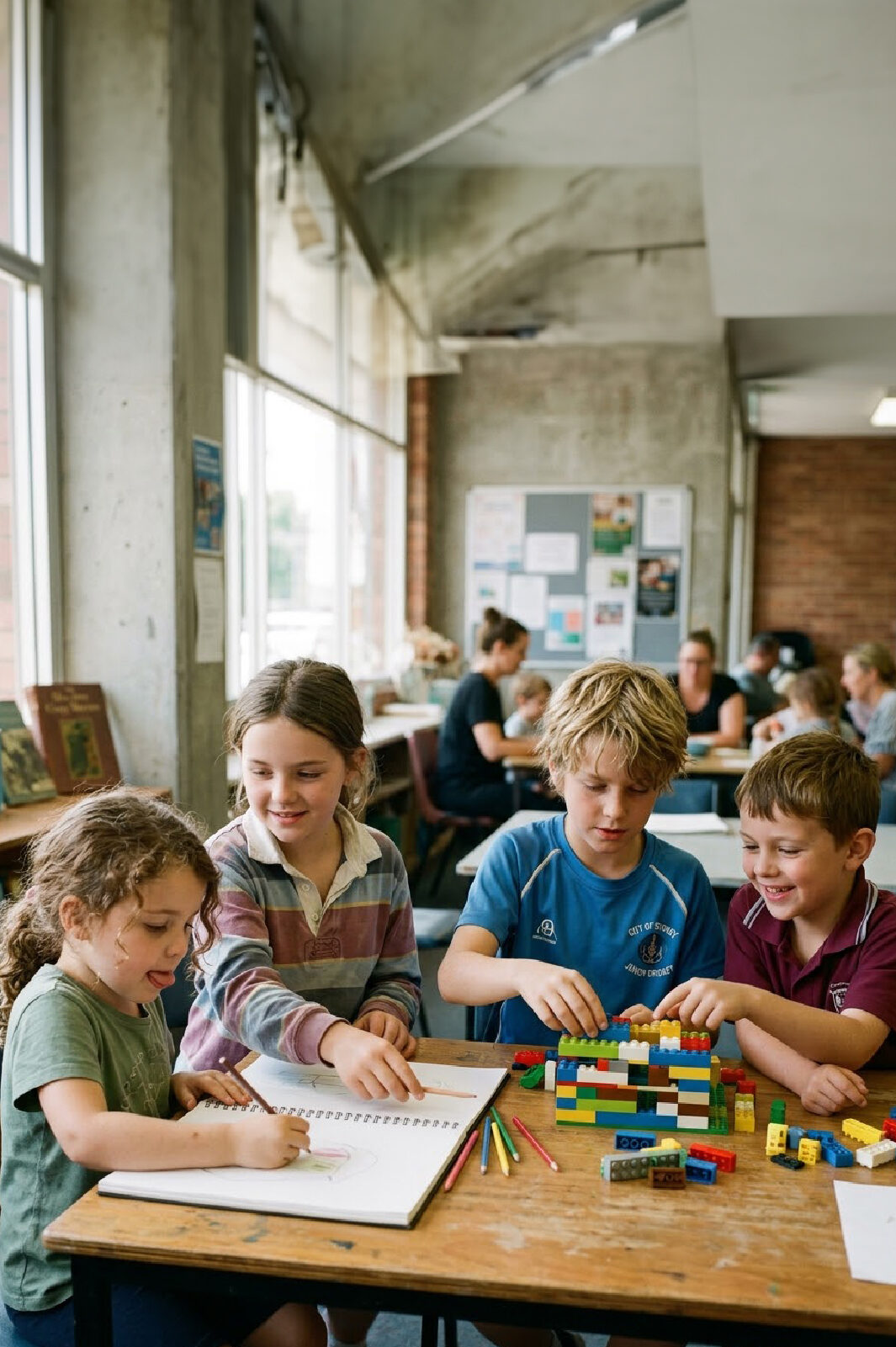
These ideas become meaningful through everyday settings. Parents and carers can name emotions, respect a child’s boundaries and demonstrate calm repair after conflict. Schools and early learning services can embed age-appropriate respectful relationships education. Coaches can make inclusion and fairness part of team culture. Employers can equip staff to recognise concerns and respond safely. Neighbours can build connection through simple check-ins, while community organisations can share trusted information and create welcoming places to learn.
No one needs to become a specialist to contribute. The goal is not to investigate, demand disclosure or confront someone unsafely. It is to learn what respectful behaviour looks like, notice when something feels wrong, listen without judgement and know where professional support can be found. Small, informed actions become more powerful when they are repeated across homes, schools, clubs, workplaces and community spaces.
The community can also shape what happens next. Zero DFV invites people and organisations to contribute ideas, join activities, share useful resources and help strengthen local networks. Community input informs planning, education and service improvement, while the Navbook provides a shared reference point for measuring progress.
An estimate of 23,000 children is confronting, but it should not leave The Hills feeling powerless. It should remind us how many safer childhoods can be supported when a whole community acts with purpose. By learning together, building connection, modelling respect and strengthening pathways to support, The Hills can turn awareness into coordinated prevention and bring a future free from domestic and family violence closer.
Explore The Hills Zero DFV Navbook, take part in local activities or find support at zerodfv.co. Change starts here.
Next...






FUNDING PARTNER
CHRG (Castle Hill RSL Group) is a community-led organisation that has served, supported, and strengthened the communities of North-West Sydney for 50 years.
.png)