
Menu
Add a description or promo here


Belonging Begins Close to Home
Everyday Actions Build Safer and More Connected Communities
Belonging Begins Close to Home
Community can sound like something large.
But most of us experience it in much smaller places.
At home. On our street. At school. At work. At training. Inside a local club, faith group, volunteer organisation or community centre.
These are the places where belonging is created.
Domestic and family violence can affect people within every community. Prevention therefore needs to happen throughout everyday community life - not only through formal services, but wherever relationships, attitudes and behaviours are shaped.
Belonging is part of that work.
When people feel welcomed, respected and included, they are more able to participate and connect with others.
And each local setting provides opportunities to strengthen that feeling.
At home, adults can model healthy communication, shared decision-making and respectful disagreement. Children learn not only from what adults tell them, but from what they see.
On our streets, neighbours can introduce themselves, look out for one another and make it easier for new residents to feel part of the area.
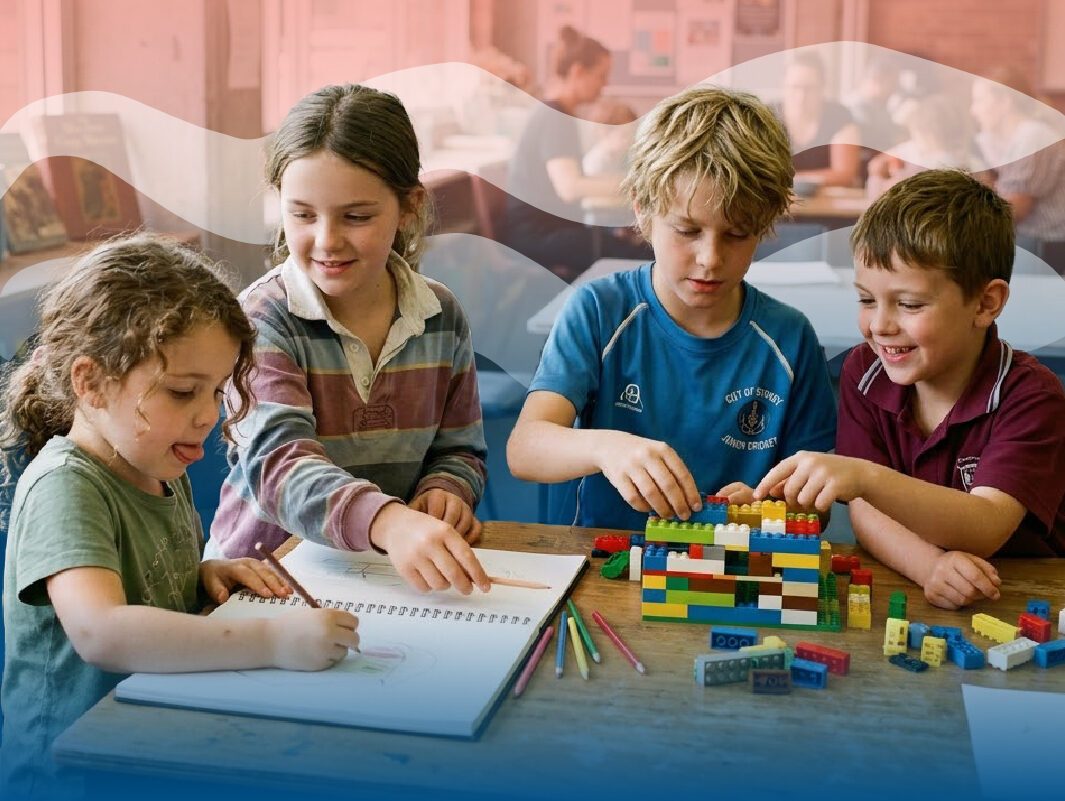
At school, families can welcome newcomers, encourage inclusion and help children understand that kindness and respect should extend beyond friendship groups.
At work, colleagues can listen to different perspectives, challenge disrespectful behaviour and help create environments where everyone feels able to contribute.
In sporting clubs, coaches, volunteers, parents and players can model teamwork, fairness and respect - on and off the field.
In community groups, leaders can ask a simple question: who is participating, and who might still feel they are standing on the outside?
None of these settings operates separately from the wider community.
The behaviours we practise in one place often travel with us into another.
A child who repeatedly sees adults listen respectfully learns something about relationships. A player who is valued by their coach learns something about leadership. A new resident who is welcomed by neighbours learns something about community. A colleague whose contribution is respected learns something about belonging.
These experiences help create shared expectations about how people deserve to be treated.
That is why everyday prevention can begin so close to home.
We can each look at the spaces where we already spend our time and ask: How can I make this place more welcoming? Whose voice could I make room for? What behaviour am I modelling? Who could I connect with?
There is no single place where community prevention happens.
It happens everywhere people live, learn, work, play and connect.
Belonging begins close to home and each of us can help create it.

Next...






FUNDING PARTNER
CHRG (Castle Hill RSL Group) is a community-led organisation that has served, supported, and strengthened the communities of North-West Sydney for 50 years.
.png)