
Menu
Add a description or promo here


As The Hills Shire moves toward Zero DFV, learning about domestic and family violence is a critically important step.
Not only does this make us more aware of what respectful relationships look like (which helps us to cultivate and maintain them in our own lives), it is also a powerful way to ensure we are able to recognise early warning signs in ourselves and others which is vital to preventing DFV before it begins.
In July 2024, the NSW Government passed a law criminalising coercive control. This broadened the legal definition of domestic and family violence and was a positive step towards changing community attitudes.
So, what is "coercion"?
These are actions that are intended to control or intimidate a partner. For instance, harassment, threats and humiliation. Importantly, this law also recognises that domestic and family violence can be a pattern of behaviour.
While DFV offences have typically been charged on an incident-by-incident basis, these past convictions tended to overlook the fact there are patterns of behaviour by perpetrators that can lead to extremely traumatic outcomes for victims.
And, so this law represents a reminder to our communities that DFV is not just limited to behaviours that cause physical harm.
The signs we often notice but don’t always name
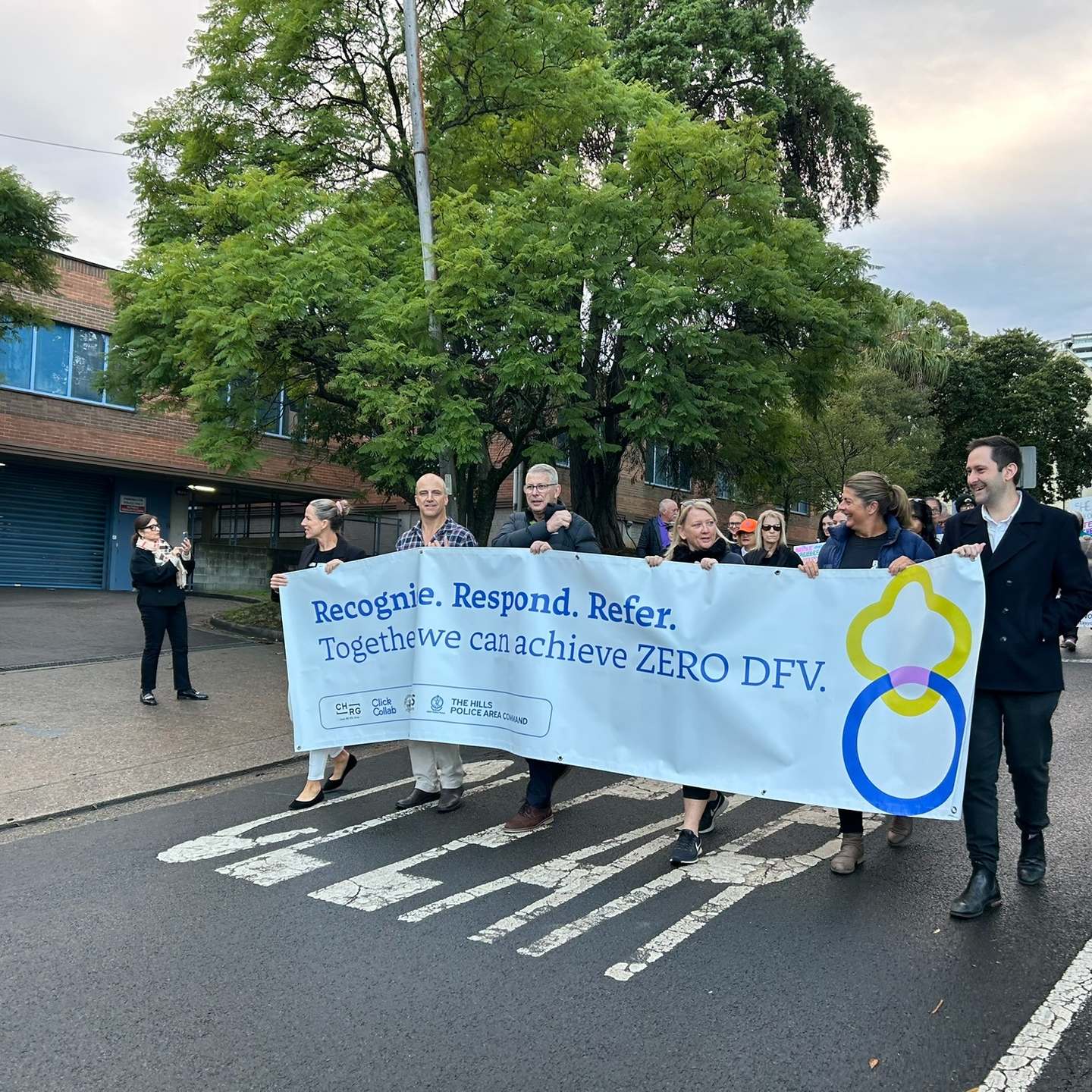
In The Hills Zero DFV Navbook, the community has set three priority goals to achieve. The second goal is to upskill the community to recognise and respond to early signs of abuse or violence.
Often, we begin noticing the signs of coercive control without really understanding what it is.
You might notice that a friend's partner is particularly persistent in ensuring they know where they are, or they track their partner's social media, or they are always controlling and interrupting and belittling that person when they speak.
In the past, we may have seen these as "red flags" but may not have made the connection that those little moments could possibly be part of a bigger pattern of abuse in the relationship.
By understanding coercive control, we empower ourselves to start making those connections. This can help us to identify that violence, or abuse is occurring in the relationship much earlier, and therefore we can potentially help that person to find appropriate support earlier.

How you can help as an individual
- If you think someone is experiencing coercive control, your first step might be to ask them if they feel safe at home. If appropriate, you could share resources to help them understand what they may be experiencing.
- You can then help support them when they're ready to talk to professional support. See the Find Support Near You page on Zero DFV website for a list of resources, and remember to call Triple Zero if there's an immediate threat to someone's safety.
- Share this post with at least three people in your network, so we can continue to share our small moments of learning along the path to Zero DFV.
How organisations can play their part
- Provide education about coercive control to your employees ensure, to support and resources are available for staff members who may need them — whether for themselves or their loved ones.
- Contribute to the funding of services and education within your community, to show your organisation is keen to play a role in helping us to reach Zero DFV.
Thank you again for being part of this journey. Your engagement, your conversations and your willingness to take small steps are progressing The Hills community toward Zero DFV.
Next...








FUNDING PARTNER
CHRG (Castle Hill RSL Group) is a community-led organisation that has served, supported, and strengthened the communities of North-West Sydney for 50 years.
.png)